



Royal Botanic Gardens, Kew, and UK Trade & Investment (UKTI) have announced that from June 2016 The Hive will be taking up its new home within the gardens after a spectacular run as the centrepiece of the gold medal winning UK Pavilion at the 2015 Milan Expo.
Soaring 17 metres in the air, designed by Wolfgang Buttress and created by BDP, Simmonds Studio and Stage One, The Hive is an immersive, multi-sensory experience inspired by groundbreaking UK scientific research into the health of bees.
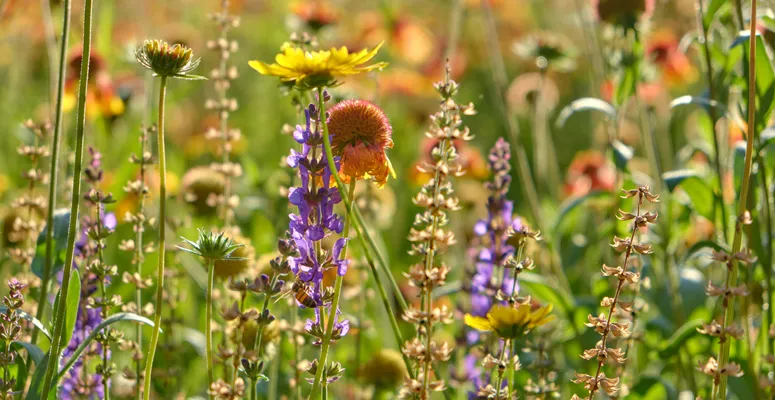
Showcasing British creativity, innovation and leadership in overcoming global challenges, this magnificent aluminium structure will draw visitors into the space via a wildflower meadow, as though they were worker bees returning to the hive. The wildflower meadow will serve to build understanding and appreciation of these habitats, and their significance for insect pollinators.
Hundreds of glowing LED lights bring this 40 tonne lattice structure to life, while a beautiful symphony of orchestral sounds fills the air, with an atmospheric undercurrent of buzzes and pulses. Triggered by vibration sensors within a real beehive, the sound and light intensity within the pavilion increases as the energy levels in the living hive surge, giving visitors an incredible insight into the ever-moving life of a bee colony.
As visitors wander through this continually changing space, they will begin a journey, exploring the vital role of bees and other pollinators in feeding the planet; of the 100 crop species that provide 90% of food worldwide, 70 are pollinated by bees.
Crucial links between food security and pollinators will come alive as Kew scientists share their solutions for pollinators under pressure, from their innovative research into the plant chemicals in pollen and nectar that enable bees to overcome disease to the development of high quality wildflower seeds by Kew’s UK Native Seed Hub.
Richard Deverell, Director of Royal Botanic Gardens, Kew said: “We are truly delighted to announce The Hive’s move to Kew, both for its magnificent aesthetic appeal and for the resonance it has with our work; I can think of no better home for this remarkable marriage of architecture and science.
“The Hive creates a powerful, immersive space for us to explore the urgent issues we face in relation to pollinators, their intimate relationships with plants and their vital role in helping us feed a rapidly growing population. To be able to bring those stories alive here at Kew, a centre of scientific knowledge and expertise, and one of the planet’s most biodiverse city landscapes, is a true honour.”






0 Comments