



A new report into city design from Arup shows how creating spaces that encourage people to walk has not only health benefits, but economic benefits as well. It calls for a shift away from outdated car-orientated urban design towards and emphasis on walkability.
Cities Alive: Towards a walking world draws together the latest research and trends in urban design, and consults international experts in fields from urban governance to digital technology, asking how cities can be made more walkable. It argues that while 20th century planning focused on the car, we now need ‘policies that encourage walking to be placed at the heart of all decisions about the built environment’.
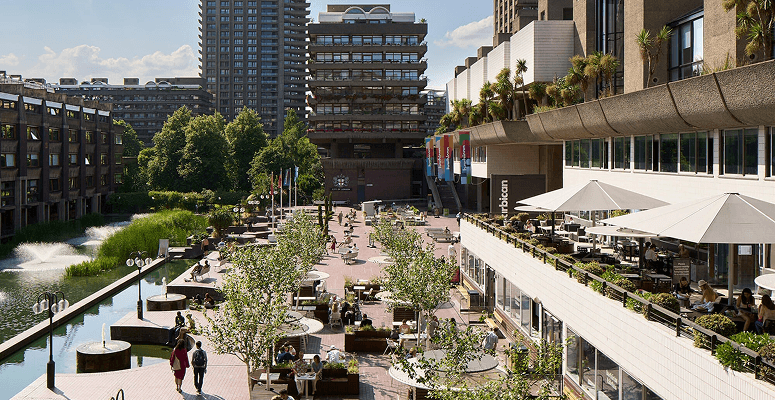
Looking at 80 international case studies, the report highlights 50 benefits of tailoring urban design towards the pedestrian, among them: vibrant urban experience, enhanced sense of place, social interaction; supporting local businesses; reduced pollution; improved urban microclimate; increased permeable surface for water drainage; beautification of street landsape and public space; implementing ‘sittability’ and recreational facilities; reclaiming underused space from vehicles; and promoting cultural heritage.
Among the 40 suggested action points for urban designers, planners and policy makers to consider are a ‘road diet’ reclaiming car space for other uses such as cycling or planting; pocket parks and parklets; protecting pedestrians from the heat and rain; public art; and using digital technology to help navigation and accessibility of space.
Download the full 166-page report for free here
Image credit: Sophie Bib













0 Comments