



The winners of a photo-competition to find the nation’s most bat-friendly plant displays have been announced.
The competition ran as part of Wild About Gardens Week (24-30 October) which is organised by the Royal Horticultural Society (RHS), The Wildlife Trusts and Bat Conservation Trust (BCT) and this year focused on what gardeners can do to help bats.
With habitat loss putting native bat species under increasing pressure, the competition asked gardeners to choose a range of insect-friendly plants, watch them grow and send in a photograph in order to inspire others to do more to help bats.
Competition entries were submitted in three categories – Individual, Group and School – and show the many ways that gardeners can transform even the smallest space into a wildlife haven.
Winner of the individual category, Paul Burton from Lancashire, found that his pond, surrounded by shrubs, woody plants and a small tree, provided a feast for local wildlife. He said: “We moved here about 20 years ago and when we first put in the pond it was very small. Gradually, we enlarged it as more wildlife moved in and it continues to thrive. It’s always a place of calm and interest throughout the seasons. The bats are always drawn to that area of the garden so there must be an abundance of insects hovering around.”
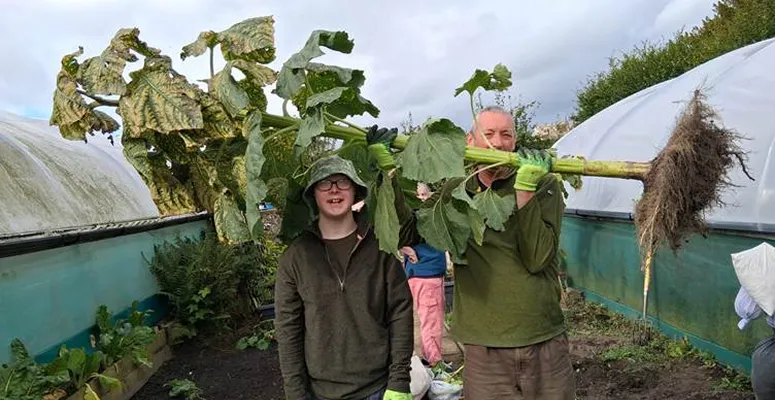
Halesowen Abbey Trust wins the group category and is part way through a large-scale project to restore the 18th century Leasowes Walled Garden in Halesowen, West Midlands. All the Trust members are volunteers and have created a ‘Biodiversity and Bats’ area, incorporating bat-friendly plants and mature trees that can make excellent bat roosts.
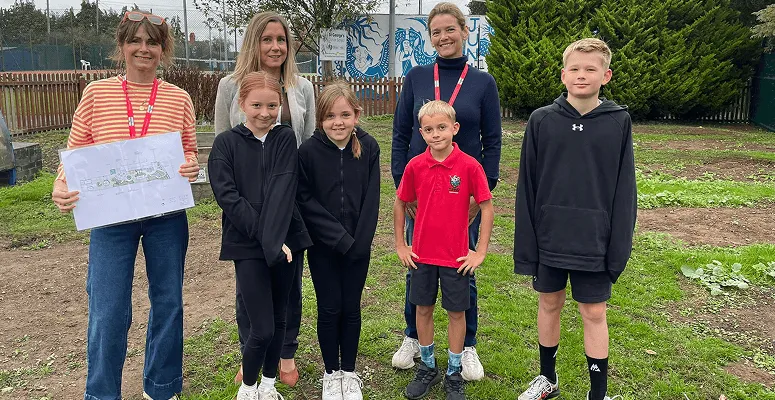
The winner of the school category is Southill Lower School Garden Club in Bedfordshire who used a mixture of perennials to plant a ‘Beautiful Big Bat Banquet Border’ made from upcycled filing cabinets. The young pupils meet once a week at lunchtimes and love to help wildlife by planting wildflowers and other insect-friendly plants.
Christine Rhoden, a parent volunteer who runs SLS Garden Club said: “With 10 of Bedfordshire’s bat species living locally, the children cheered when they found out we would be planting a bat banquet to help feed them.”
Even a window box or tiny town garden can attract the insects that help bats to not just survive but thrive.
As part of Wild About Gardens Week the Royal Horticultural Society (RHS), The Wildlife Trusts and Bat Conservation Trust (BCT) provided advice to gardeners on the most beautiful, bat-friendly plants to choose from, they include:
• Daisies such as oxeye daisy, cosmos or Michaelmas daisy
• Umbellifers that form ‘landing platforms’ for insects. These include wild angelica, bishop’s weed and sea holly
• Flowers with long pollen-tubes which attract longer tongued insects. These include common honeysuckle, Scotch thistle and purple top
• Herbs and aromatic flowers such as lavender, marjoram and borage
• Tall, pale or night-scented flowers that appeal to night time insects such as moths. These include hemp agrimony, evening primrose and night-scented stock
• Aquatic plants that provide habitat for aquatic larvae such as mayflies. These include lady’s smock or cuckoo flower, purple loosestrife and water mint
• Trees, shrubs and climbers that support a huge range of insects. These include mountain ash or rowan, hebe and common ivy
A leaflet, ‘Stars of the Night’, contains more tips and advice on how gardeners can help bats and can be downloaded at: https://www.wildaboutgardensweek.org.uk/Downloads/wag-stars-of-the-night.pdf









0 Comments