



The National Trust has recently outlined ambitious plans to help reverse the decline in wildlife on all land in its ownership – including an aim to create 25,000 hectares of new habitats by 2025.
As one of the country’s largest landowners, the Trust wants to play its part in addressing the dramatic slump in UK species and improve soil quality and water quality in the countryside. An in-depth study last year found 56% of species were in decline. (*see footnote)
The conservation charity, which was set up to protect places of natural beauty, hopes to create and restore “Priority Habitats”, areas identified by the government as threatened and in need of conservation support, on 10% of its land.
Farming will remain vital to the Trust’s approach to countryside management and the charity will work in partnership with tenant farmers to see how they can help deliver nature-rich, productive, fertile landscapes which are good for wildlife and good for farming. Supporting sustainable farming will be crucial for the plans to succeed.
Many of the Trust’s 1500 farm tenants are already farming in a way which benefits wildlife. The charity said that it wanted to discuss, listen and learn from them and other groups as it explores how nature-friendly measures could be introduced or enhanced across all of its farmed land.
The aim is that at least 50% of farmland will be ‘nature-friendly’ by 2025, with protected hedgerows, field margins, ponds, woodland and other habitats allowing plants and animals to thrive.
The Government, tenant farmers and conservation charities have all welcomed the Trust’s approach.
Peter Nixon, director of land, landscape and nature at the National Trust, said: “Our charity was founded to protect our natural as well as cultural heritage and we believe we should be playing an active role in reviving nature – by doing what we can on our own land.
“Nature has been squeezed out to the margins for far too long. We want to help bring it back to the heart of our countryside. Despite the battering it’s taken over many decades, nature has an incredible ability to rejuvenate and revive if given the conditions to thrive.
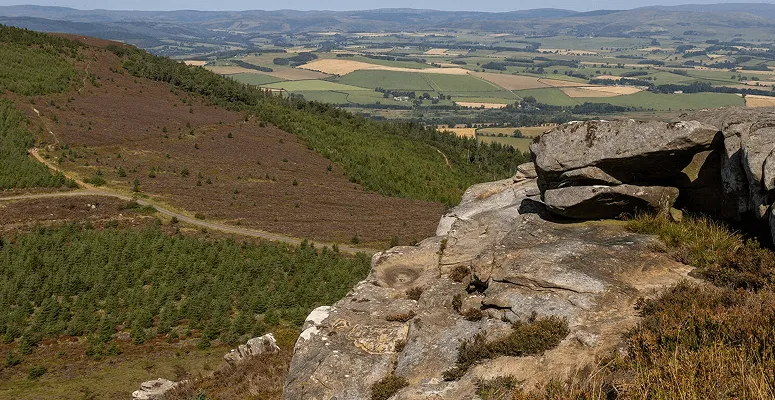
“Birds such as the lapwing, cuckoo, and curlew are part of the fabric of our rural heritage. But they’ve disappeared from many parts of the countryside. We want to see them return to the fields, woods and meadows again, along with other wildlife which was once common and is now rare.”
The Trust will look to implement the “better, bigger, more and joined up” approach to nature called for in a Government commissioned review by Sir John Lawton.
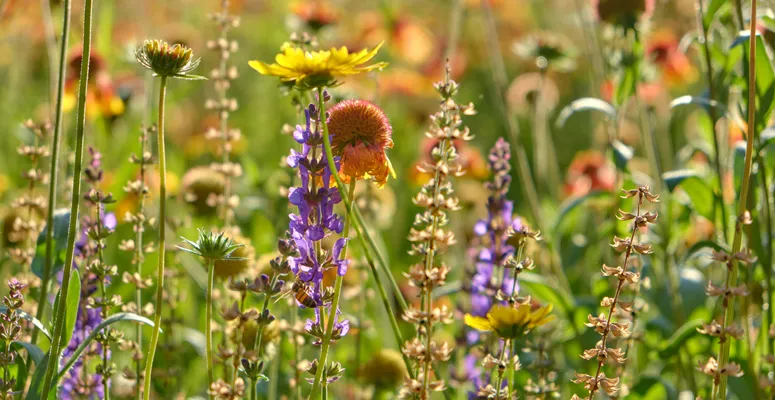
Planting more hedgerows, which act as ‘wildlife corridors’ for birds and bats, establishing more lowland meadows and creating wetlands where appropriate could all help establish new habitats and will be considered in partnership with tenant farmers and other stakeholders.
The Trust’s approach could also involve:
- Better: Adapting drainage systems, removing invasive non-native species, re-naturalising rivers and adapting farming practices to help improve the condition of habitats.
- Bigger and More: Enlarging existing small areas of habitat, to make them more resilient. Sometimes this will mean more of the same, allowing a habitat to spread out. At other times it will be best to create a complementary habitat.
- Joined up: Seeking ways to improve landscapes so that wildlife can move through them and make use of all the area rather than just the patches of habitat.
The Trust has outlined plans to help support farmers post-Brexit, when £2.6billion of EU subsidies for the industry will end (**footnote), and the charity said tenant farmers would continue to be essential partners in helping to restore the health of the natural environment.
Peter Nixon said: “The future of farming and the environment are inextricably linked – they are reliant on the other to succeed. So, it’s not a case of supporting one at the expense of the other. We want both to thrive.
“We need the support of our farmers and want to help them in their businesses and combine our skills and expertise to deliver a healthier, more beautiful environment. That’s why we will work with them and explore how we make improvements together.”
The Trust’s new commitments could play an important role in helping deliver the Government’s own ambitions to improve the natural environment.
Plans to make space for nature are expected to help meet 12.5 % of Defra’s overall national target to create 200,000 hectares of new Priority Habitats by 2020.
*Over the last 50 years, 56% of species in the UK have declined, while 15% are at risk of disappearing altogether, according to the State of Nature 2016 report by more than 50 leading wildlife charities and research organisations.
** Last summer, the Trust, which has over 1,500 farm tenants across England, Wales and Northern Ireland, called for the current ‘broken’ model for funding farming to be radically reformed after Brexit, with farmers receiving taxpayers’ money for improving the environment and helping wildlife – rather than being paid simply for owning land. The charity has said its long-term ambition of helping to reverse the alarming decline in nature would only succeed by working, listening and developing plans in partnership with farmers.







0 Comments