




Research published by Scottish architects practice Anderson Bell Christie reveals the hidden costs of embodied carbon aren’t yet properly accounted for in new building projects.
Funded by Scottish Enterprise and Innovate UK, the new Balance whitepaper shows that as heating and electricity is decarbonised, embodied carbon will be the primary source of emissions in new construction until 2045.
Both The Royal Town Planning Institute (RTPI) and the Royal Incorporation of Architects in Scotland (RIAS) are calling for clearer rules and targets to address carbon in construction.
Proposed support recommendations include new standards on material choices, planned end of life deconstruction and an enforceable embodied carbon limit of 150kgCO2e/m² by 2045.
Chris Stewart, former president of RIAS, comments:
“Embodied carbon is a critical part of the construction sector’s contribution to climate change. Architects need better policies to frame conversations with their clients.”
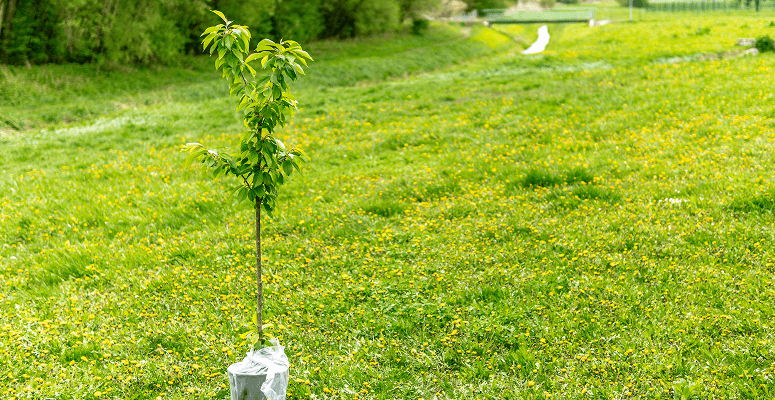
The research conducted by ABC also finds embodied carbon in new buildings can be mitigated through increased tree planting in Scotland.
Helen Fadipe MBE, RTPI president says offsetting residual emissions can be achievable, adding:
“Realising this ambitious objective will necessitate sustained and coordinated collaboration across the built environment professions, including planners, architects, designers, engineers, and the full range of technical specialists.”
The full white paper can be found here: balance.andersonbellchristie.com







0 Comments