



The government-led Nature Returns programme has formed an understanding about how to tackle climate change through nature-based solutions.
Using new methods to measure carbon in hedgerows using 3D laser scanning, the report reveals that hedgerows can store as much carbon as some woodlands.
The programme is led by Nature England in partnership with the Environment Agency, Forestry Commission and Royal Botanic Gardens Kew.
Projects also funded through the programme also revealed how fungi can be used as an indicator species for how much carbon is stored in soil and how species rich grassland can take up significant amounts of carbon whilst supporting important wildlife.
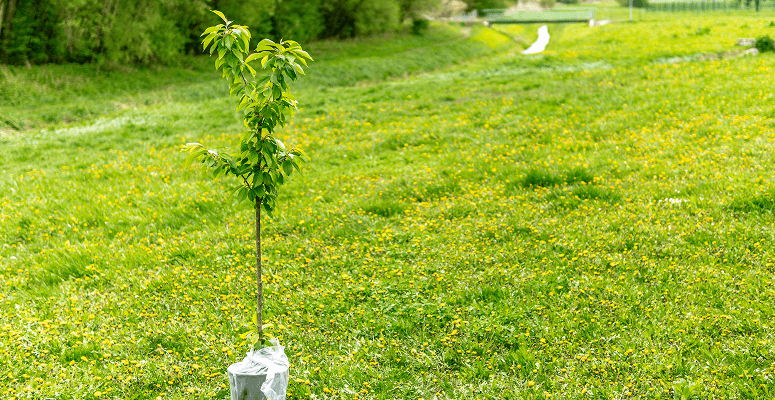
Over the previous four years, six local partnership projects across England have planted over 95,000 trees and shrubs, restored 16km of hedgerows and improved 2.5km of watercourses.
Dr Pete Brotherton, director of science and climate change at Natural England says “well-designed nature-based solutions championed through this programme show how we can help tackle the climate crisis”.
The programme will continue monitoring sites for 10 years to track long-term changes in carbon storage and biodiversity to inform climate change decisions.
Analysis of these findings will be used to inform the development of England’s Land Use Framework and support the scaling up of nature-based solutions across the country.
Nature Returns has also seen communities getting involved to restore nature, with over 7,000 people joined in community activities with more than 400 volunteer days recorded.














0 Comments