




A group of Pro Landscaper 30 Under 30: The Next Generation alumni give their thoughts and opinions on how the industry has and continues to evolve.
Emma Hindle
Business development manager, Ground Control
What are your thoughts on the skills gap and labour shortages? How do you think we could attract talent to the industry?
We need to recognise that if we are in positions of apprenticeships or graduates, that we’ve got a wealth of experience above us that is just about to retire. So, if you do get put in positions such as those, I would just encourage you to learn and sponge and just absorb as much as possible.
Where do you think the industry stands now, in terms of being sustainable?
We have two sites, the Wildfell and Devana sites in Essex and Cambridge. In a way, that is low maintenance creation whilst giving back to nature. When we bought the sites with the intent to provide nature recovery. Since the biodiversity net gain (BNG) legislation came in last year, we thought that we’ve got something here with our BNG units to sell. That aside, what it’s going to give back from a sustainable approach, biodiversity including in that, is just going to be massive. If we think about five years, 50 is going to be crazy.
How do you think the industry will look in five years, and what is one thing you would like to see change in that time?
A much bigger drive for nature-based solutions and nature practices. I think the way that we maintain landscapes now is probably going to change as well. We’re seeing a lot more commercial clients that have had a manicured lawn for how many years, but now that mindset is changing and we’re thinking, ‘well, actually, what if we had the grass at this height and then we’ve got a more established hedgerow there?’ It might not look as pretty, but it’s going to do the world for nature.
Taylor Gee
Founder and director, Design Only Gardens
What’s exciting you about the industry right now?
The current trends in garden design and how things are morphing a little bit away from what was popular when I first entered the industry. When I first entered the industry, a lot of the materials were very muted and grey. The trends that are evolving seem to be opening more opportunities for horticulture. It also means that we’re bringing in more materials that are brighter and warmer.
Are there any evolving technologies or tools you’re using to make your work easier or more efficient?
Technology is the life blood of our business. I’d like to highlight the importance of how 3D visuals have enabled us to give our clients a design process. When we started integrating rendering software into the process, it led us down a tunnel which changed our whole process.
How do you think the industry will look in five years, and what would you like to see change in that time?
I want to see people showcasing more 3D visuals to their customers, because whilst that’s obviously what we sell, I do feel strongly about this. Already, there has definitely been a shift over the last couple of years.
Rachel Platt
Founder, Rachel Platt Garden Design
What’s exciting you about the industry right now?
We’re being more experimental with different materials which is exciting. You see it a lot at the shows as well, where potentially there’s the budget, rather than having a private residential client to experiment with that. Hopefully some of those ideas will go into the normal marketplace for private residential.
Are there any technologies or tools that you’re looking to use? How are they beneficial?
The AI discussion. I have noticed there is a movement from clients that have messaged me saying they’ve asked an AI software what bulbs they should have in their front lawn. When they come back to me, I can see that the software is not quite there yet. AI hasn’t accounted for the aspect, because the client hasn’t put the aspect in there, or it hasn’t accounted for the soil. I think it’ll be interesting to see what happens when that develops and becomes more intelligent than it is now.
How do you think the industry will look in five years, and what is one thing you would like to see change in that time?
I’d like to see more women have more confidence in this industry, specifically in the physical side of landscaping. I’d really like to see them have the confidence to go out and do more independent working shows and put themselves out there. It’s even a generational thing as well, for example young people are recognising this space as an industry. Over the next five years, there will definitely be new faces around.
Anna Mcloughlin
Craftsman landscaper, Landform Consultant
Has your view of the industry changed since you first started your career?
I originally started my career in Ireland, and we don’t have trade shows or this sense of community at all. I’m moving over to England now, which is fantastic. Everyone is so nice, so helpful, and so quick to help you and want to see you achieve; which I really appreciate.
We talk about a skills gap and labour shortages – what are your thoughts on this, and how do you think we could attract talent to the industry?
Education is one of the main issues of landscaping which isn’t talked about. I was never told about the career at school. We need to integrate it into schools and encourage it.
What challenges did you face starting your career?
I think one of the main challenges of me coming into this career was probably my confidence. When you go into the landscaping, there’s a lot of people there have been doing it for years, so you’re scared to get in the way or slow people down. Then you quickly realize that the way to improve is to get stuck in and ask as many questions as possible. That’s how you will grow and learn in this career.
How do you think the industry will look in five years, and what is one thing you would like to see change in that time?
It would be great to see more females coming into the industry, and more young people in general. That’s something we need to work on, and hopefully, in the next five years or so, we can achieve it.
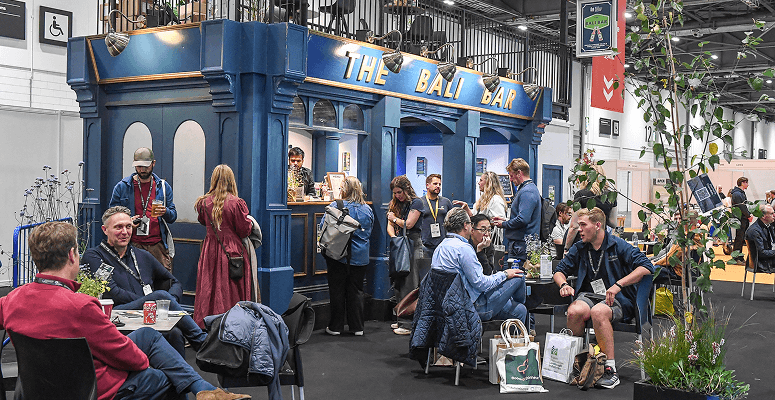
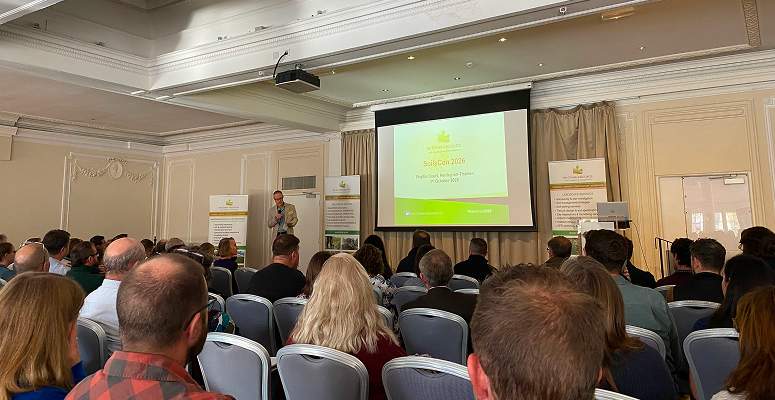
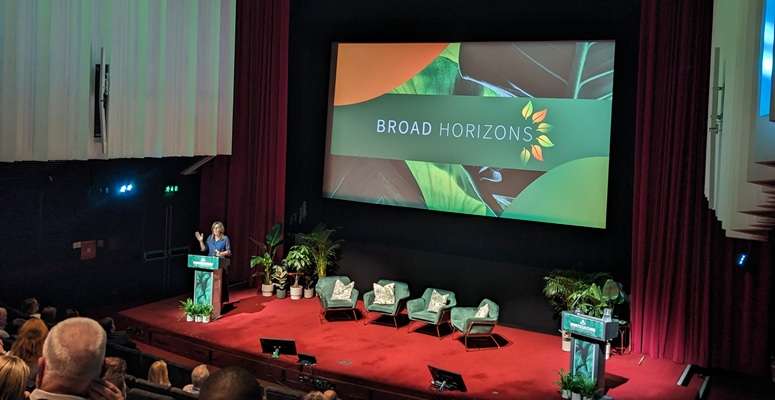
Content has been taken from Tomorrow’s Landscape: The Future of the Industry panel discussion at FutureScape.




0 Comments