



After a year of new legislation, changes in trends and all-new challenges, we asked professionals from across the industry what they predict for the next 12 months as we enter 2026.
Dave Strows, chair of Association of Professional Landscapers
“As I sit writing this, it’s hard not to feel the looming shadow of so many challenges posed by the modern world. Add slow economic growth and a budget that threatens more taxes, and it’s easy to feel like throwing in the trowel. But we are a tough bunch in the landscaping industry and when things get difficult, we hunker down and do what needs to be done to get through.
“A part of what makes us so resilient is our community. The sharing of resources, knowledge and emotional support is something very special that we witness within the associations and the wider industry, and over the years this community has developed and become stronger.
“One development that makes me very proud to be the chair of the Association of Professional Landscapers (APL), is the recent the collaboration of the APL, Landscape Institute (LI), British Association of Landscape Industries (BALI) and Society of Gardeners and Landscape Designers (SGLD), in recognising and promoting the new BS7533 for pavements and in taking the first steps in 2026 toward working together to tackle the common issues that face our industry.
“It makes me feel incredibly positive to see our industry making such progress toward greater unification, improved career opportunities and professional recognition, and this will ultimately make us stronger and more resilient in the years to come.”
Belinda Gordon, director of policy and public affairs, Landscape Institute
“The government will need to be seen to be delivering on its development and growth agenda in 2026. How nature is integrated into the delivery of new homes, towns and infrastructure will be under the microscope. Addressing the skills shortage and ensuring there is the expertise to create quality places will be part of the challenge.
“In this context, the Landscape Institute will continue to champion landscape-led development as the foundation of resilient growth. We will focus on influencing policy to ensure people, place and nature are connected from the outset, and that the skilled workforce is in place to deliver this.”
Dave Green, director of Dave Green Gardens
“In the recent RHS State of Gardening Report mapping revealed gardens cover 4.6% of the UK, despite 42% of domestic space being paved. As a designer who truly cares about the value of green spaces, it’s encouraging to see research finally reflecting their importance.
“With biodiversity at the heart of the RHS’s 2026 focus, I hope this momentum grows — showing more and more people how vital gardens and outdoor spaces are for nature, climate resilience and everyday wellbeing.”
Andrew Duff, chair of the Society of Gardeners and Landscape Designers
“2025 has been a significant year for the Society of Garden and Landscape Designers. We have continued to strengthen our commitment to professional development, offering a wide range of workshops, webinars, and CPD events that have helped members enhance both their technical expertise and creative vision. Our membership has grown, welcoming designers from across the UK and internationally, reflecting a wider recognition of the value of professional landscape design. Through the SGLD Awards, we have celebrated outstanding projects that demonstrate excellence, innovation, and a commitment to sustainable and climate-sensitive design. Beyond this, our work in advocacy and collaboration has continued to raise the profile of the profession, highlighting the vital role that well-designed gardens and landscapes play in promoting biodiversity, environmental stewardship, and the wellbeing of communities.
“At the same time, 2025 has not been without its challenges. Rising costs, material shortages, and wider economic pressures have affected both clients and designers, sometimes leading to delays or smaller-scale projects. The sector continues to face environmental pressures from unpredictable weather and climate change, which add complexity to planting and maintenance schedules. Attracting and retaining skilled professionals remains a concern, as does educating clients and the public about the full value that professional landscape design brings to a space, a challenge that the Society continues to address.
“Looking ahead to 2026, we anticipate that SGLD will continue to build on its achievements, offering greater support to members through mentoring, digital resources, and enhanced networking opportunities. We expect to see the Society further amplify the importance of sustainable and environmentally sensitive design, both in private gardens and public spaces, while continuing to celebrate and recognise excellence through its awards programme. At the same time, the sector will need to navigate ongoing economic pressures, increasing client expectations around sustainability, and the need to adapt to environmental challenges. Continued professional development and effective communication of the value of landscape design will be essential as we move into the new year.
“Overall, 2025 has been a year of growth, learning, and achievement, and 2026 presents an opportunity to continue advocating for the profession, supporting members, and ensuring that high-quality landscape design thrives in an increasingly complex and environmentally conscious world.”
Royal Horticultural Society
The Royal Horticultural Society (RHS) has unveiled its 2026 gardening predictions, detailing what, how and where people will be growing in the new year.
“The predictions are based on engagement with the public across its gardens, shows and Gardening Advice service, retail and industry trends, science research and new plant breeding.
“In 2026, climate is the main driver of activity in the garden with plant diversity ever more important in helping people to withstand new demands on their spaces. Thankfully, gardeners can draw on some old favourites and a whole host of new plant varieties coming to market.”
RHS 2026 gardening predictions include tabletop veg, blackcurrents eye sweet success, in and out plants, year of the tomato, punctured water butts, foraging gardens, jungle plants and plants for pollinators.
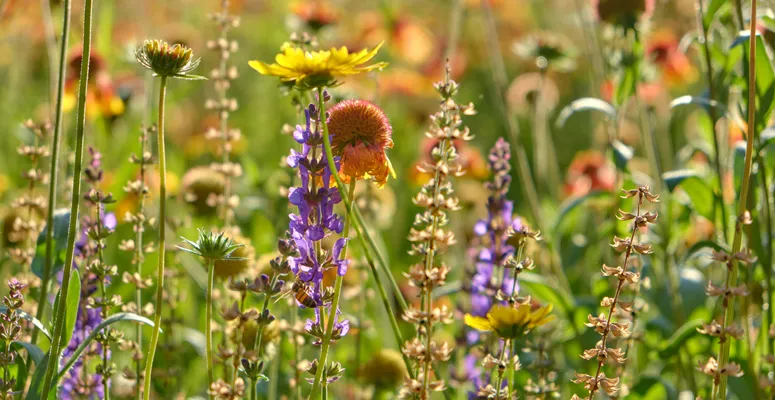
In 2026, the RHS will launch its year-long Bringing Nature Home campaign, which will champion plants’ benefits for wildlife, including pollinators.








0 Comments