


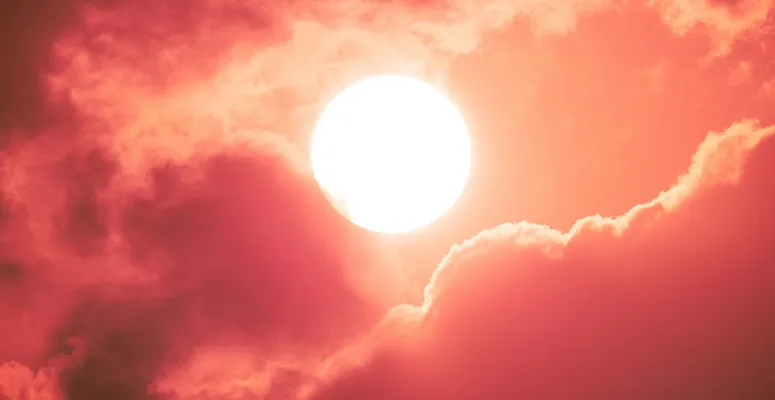

As I sit down to write this thought leadership piece for Pro Landscaper, the topic that I’m covering is an obvious one. With curtains drawn, shorts on, and iced latte in hand, an intense heatwave is once again upon us with little sign of letting up and I am doing my best to hide from the soaring temperatures and unrelenting sun. But aside from my inability to adapt to summer months, there is a bigger issue at hand. We’re consistently seeing higher temperatures and changing climate patterns with more drought, more flooding, and harsher weather conditions every year.
This is being compounded by 2026 being an El Niño year. For those that are unaware, El Niño is a climatic event where the Pacific Ocean warms beyond the typical, even under climate change, which has concomitant impacts on weather around the world. Unfortunately for us, this year’s El Niño has been predicted to be one of the most intense in recent history, with potentially devastating costs for the environment and human lives. Flooding, drought, food shortages, wildfires, heatwaves, and storms are all likely to be seen over the coming months around the world.
My purpose in writing about this exceptional event is not to scare everyone or incite panic, but to draw attention to the looming issue of climate change that we need to address across UK and the role of landscaping in addressing these challenges. It may seem that I am putting an inordinate amount of pressure on the industry to be able to fix arguably the greatest challenge of our lifetimes, but I genuinely believe that the landscaping sector has the tools to deliver so many environmental and social benefits which will help in our fight against climate change.
There is so much evidence which clearly shows how green spaces positively impact the environment, from enhancing biodiversity, to managing water and rainfall, increasing air quality, and cooling buildings and city streets. A study showed that London’s urban tree cover helped prevent 153 heat-related deaths between 2015 and 2022, and increasing the canopy cover would prevent even more going forward and that temperatures in parks are consistently lower than on streets. Similarly, green walls help regulate the temperatures of buildings, keeping them nearly 4°C cooler than other buildings without green living walls.
The landscaping sector does not need my help in understanding the benefits of the work they undertake. Every time I speak to a British Association of British Industries (BALI) member, I am floored by the innovative and forward-thinking approaches being taken to mitigate climate change and deliver environmental goods. It is my role to advocate for the industry to government officials and get more decision-makers thinking the way I do; that the landscaping industry must be an integral part of the solution to this challenge we’re facing as a society. The El Niño year we’re in is going to be formidable and will serve as a stark warning of our future if we do not change how we design and deliver our outdoor spaces, but meaningfully engaging with the industry is a vital place to start.
This article has been written by Amy Cobbett, head of policy and public affairs at the British Association of British Industries.






0 Comments