



A new research program is looking into how urban forestry can help make Gulf cities more comfortable in extreme heat and how they can be watered with limited rainfall.
Dubai-based landscape and urban ecology consultancy NatureCulture has signed a 10-year memorandum of understanding with the Australian Urban Design Research Centre (AUDRC) at the University of Western Australia to establish the Urban Forestry and Design for Optimised Comfort Yield program.
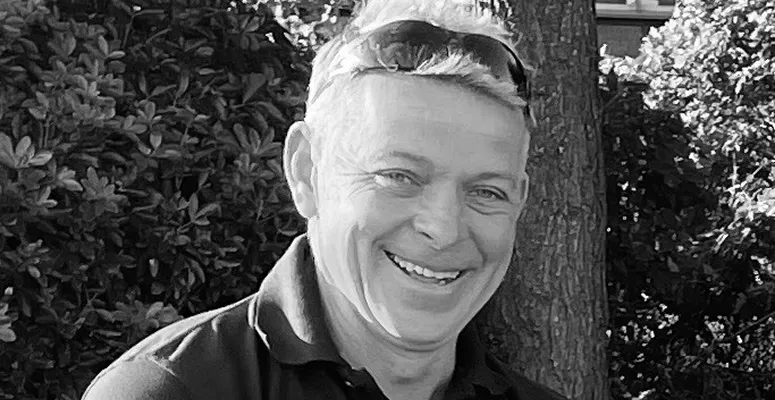
“With over two decades designing projects that get built in the Middle East, I still see enormous potential for research to improve our understanding of climate-responsive urban design for new urban typologies,” says NatureCulture’s founding director Laith Wark.
Whereas most cities rely largely on rainfall to water urban forests, hyper-arid cities such as Dubai, Abu Dhabi and Riyadh depend almost entirely on artificial irrigation. This is delivered through a major public investment into city-wide networks of treated sewage effluent (TSE).
NatureCulture and AUDRC’s new program sets out to show how to get more cooling from the water these networks already supply, how to optimise the networks and the administrative frameworks that govern them, and to quantify the costs and benefits of TSE networks for present and future cities in hyper-arid climates.
It has coined the term ‘comfort yield’ to describe the area kept within a target thermal comfort range multiplied by the hours it is kept there. The program’s central measure is comfort yield per cubic metre of irrigation water, over the life of the planting. It will measure the link between water and growth, growth and tree canopy, and canopy and shade, identifying how planting technique, configuration and urban design context change the result. AUDRC will define the comfort index and target range, calibrated to Gulf conditions.
The research will be practice-driven, with a Sponsored Research Agreement allowing AUDRC to work directly on current NatureCulture projects, which will serve as monitored trial sites where clients agree.
Over the next decade, the findings will be developed into a ‘first of its kind’ guide on urban design and urban forestry for thermal comfort in Gulf cities.








0 Comments