
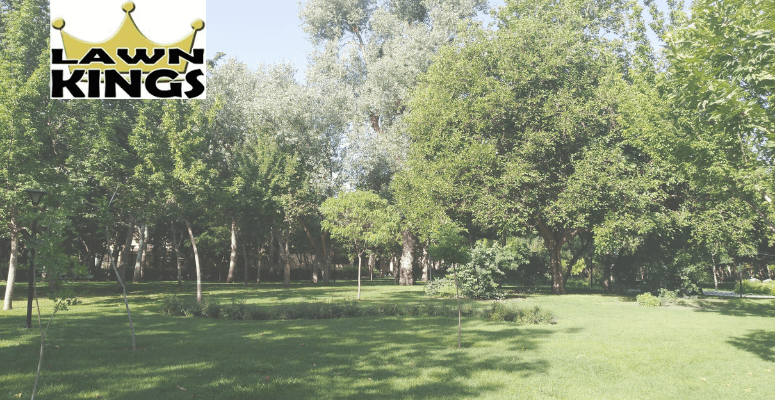
The shift toward low-maintenance landscaping
Artificial grass in Burbank has quickly become more than a passing trend—it’s a practical solution to a very real problem: rising maintenance costs. For many homeowners and commercial property managers, water restrictions, increasing labor rates, and the year-round need for curb appeal have made natural lawns a costly chore. That’s where the shift toward synthetic turf began, offering a green, polished look without the endless mowing, watering, and fertilizing.
The cost problem that sparked a change
A few years ago, I met a local property manager in Burbank who was struggling to keep several apartment complexes looking sharp. His landscape team spent hours every week maintaining patchy grass that refused to thrive in Southern California’s dry climate. Between irrigation repairs and labor, his maintenance bills were eating into the budget. He cut his annual landscape costs by almost 60% when he switched to synthetic turf. That one decision not only saved money but also freed up time and resources for other improvements across the property. Artificial grass in Burbank has become a go-to phrase among local landscaping experts who now view it as a smart, long-term investment rather than a luxury.
Why synthetic turf works so well in Southern California
Burbank and Calabasas share the same Mediterranean-style climate—sunny, dry, and sometimes unforgiving. Natural grass simply can’t stay lush without constant irrigation. Synthetic turf solves that problem because it looks green regardless of weather conditions. Even during droughts or water restrictions, artificial lawns stay vibrant, which is a major advantage for commercial complexes, schools, and residential neighborhoods. And because it doesn’t require daily watering, it aligns perfectly with California’s water conservation goals.
Real-life benefits seen by homeowners
One Calabasas homeowner I spoke to replaced a 1,200-square-foot backyard lawn with premium synthetic turf. She said the transformation was immediate—no muddy patches, no dry spots, and no weekend mowing. More importantly, her water bill dropped significantly. She mentioned that the turf paid for itself in under three years, considering the savings on water and maintenance. It’s these types of real-world results that keep fueling the demand for synthetic lawns throughout Burbank and neighboring cities.
The professional perspective
Local landscape professionals have also found that synthetic turf simplifies their workflow. Instead of juggling unpredictable maintenance schedules and weather delays, they can focus on precision design and installation. The turf itself has evolved dramatically over the past decade. Modern options now come with UV-resistant fibers, realistic thatch textures, and drainage systems that prevent puddling during rainfall. For landscapers, this means fewer call backs, happier clients, and cleaner project outcomes.
The long-term savings equation
Let’s break it down practically. A typical homeowner might spend thousands per year on lawn care—watering, fertilizer, pesticides, and weekly mowing services. Switching to artificial turf eliminates most of these recurring expenses. While the upfront installation cost can be significant, the return on investment is undeniable when you factor in reduced maintenance and water usage. Plus, synthetic lawns last anywhere from 12 to 20 years, depending on quality and use. That’s a lot of time saved—and money kept in your pocket.
Durability beyond curb appeal
What makes today’s synthetic turf even more appealing is its durability. Sports fields, dog parks, and playgrounds across Burbank now rely on turf that withstands heavy use without fading or flattening. It’s engineered to handle heat, foot traffic, and even pet activity while maintaining its structure. That resilience is what attracts business owners who can’t afford downtime for constant maintenance. Once installed, it stays clean, functional, and ready to use with minimal effort.
Eco-friendly advantages often overlooked
Critics sometimes assume that artificial grass harms the environment because it’s made from synthetic materials. But when you consider the full environmental impact—no pesticides, no fertilizers, no fuel-powered mowers—it tells a different story.
Synthetic lawns reduce chemical runoff, cut water waste, and help lower carbon emissions from lawn equipment. Many newer turf products are also made using recycled plastics, giving waste materials a new life in a sustainable landscape setting.
Blending design with functionality
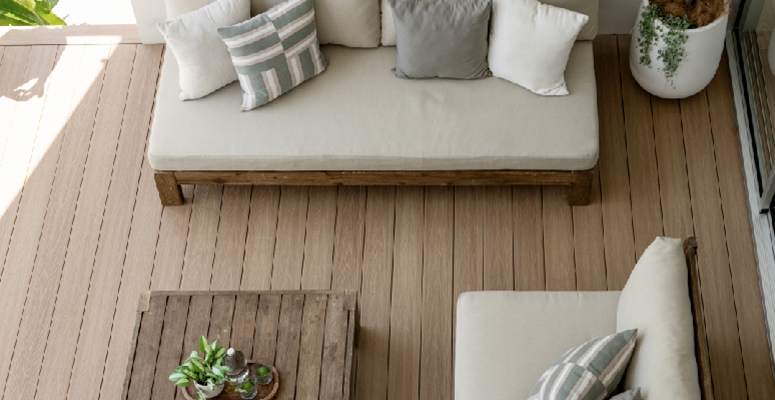
Modern landscape designers in Burbank and Calabasas are using artificial turf in innovative ways. It’s not just about covering a lawn anymore. Professionals use turf to accent walkways, rooftop patios, pool decks, and even interior courtyards. The goal is to combine beauty and function—creating inviting spaces that look natural yet require little effort to maintain. Some homeowners even mix turf with pavers or natural stone to add visual contrast and enhance outdoor usability.
The aesthetic payoff
One of the biggest advantages of switching to artificial turf is its consistent look. It stays perfectly trimmed and green all year, which boosts property value and curb appeal. Real grass can turn brown, develop bald spots, or attract weeds. Synthetic turf eliminates those headaches, giving your landscape a clean, manicured finish. For anyone planning to sell or rent property in the future, that visual consistency makes a lasting impression.
Challenges and what to expect
Of course, artificial turf isn’t entirely maintenance-free. Dust, leaves, and debris still accumulate over time. Most homeowners find that a quick rinse or light brushing once a month keeps it looking new. In areas with pets, a simple enzymatic cleaner can remove odors easily. It’s far less work than managing live grass but still requires occasional attention. For most people, that trade off is worth it.
The local trend that keeps growing
Walk around Burbank today, and you’ll notice how many homes, offices, and schools are embracing synthetic lawns. From small residential yards to large public areas, the movement is hard to ignore. Even city planners are looking at turf for public medians and parks to reduce citywide water usage. It’s not just a landscaping trend anymore—it’s a lifestyle shift driven by practicality and sustainability.
Final thoughts on smarter landscaping choices
Artificial turf represents a clear solution for those balancing beauty, budget, and environmental responsibility. It has reshaped how local homeowners and businesses think about outdoor spaces. What once seemed like a luxury has become a sensible, cost-effective standard across Southern California. If you’ve ever struggled with patchy lawns or relentless upkeep, switching to synthetic grass might be one of the smartest investments you’ll make for your property.








0 Comments